A walk through Krosno is a journey through the centuries, from medieval walls to Renaissance arcades in the main square, and contemporary but equally impressive attractions. It’s well worth delving into its history and discovering the unique face of this city
WHAT TO SEE IN SUBCARPATHIA – KROSNO AND ITS HISTORY
Krosno was first mentioned in 1282, but its history stretches back to the Slavic times and the 10th century. The town was officially granted Magdeburg rights by King Casimir the Great. Thanks to trade—especially in Hungarian wine and locally made cloth—it quickly developed into an important economic center. Fortified in the Middle Ages, Krosno faced invasions, wars, and fires.
The 19th-century discovery of oil in Krosno and its surroundings brought a period of renewed growth. Although this was interrupted by World War I, the city quickly recovered and developed its glass industry starting in 1923. However, progress was once again halted by World War II, after which Krosno had to rebuild its economy. In 1975, it became the capital of a voivodeship (province), and today it is a county-level city full of tourist attractions.
SUBCARPATHIAN TOURIST ATTRACTIONS – THE CITY OF GLASS
The origins of glassmaking in Krosno date back to the mid-17th century, when the first glassworks were established. Over the centuries, these glass factories gained recognition for their high-quality products and unique designs. Many great glass artisans began their careers right here.
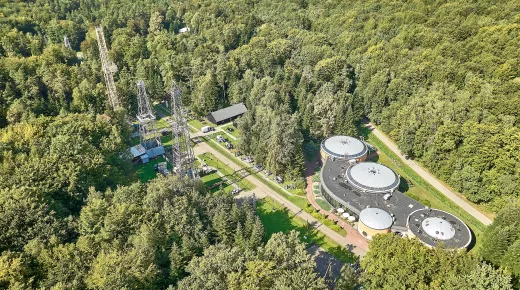
To preserve the city's glassmaking heritage, the Glass Route was created – a unique tourist attraction in Poland. It combines a passion for glass with Krosno’s rich history and legends. Starting at the Glass Heritage Centre, one of the top attractions in the Low Beskids, the route leads through the city and features 14 glass sculptures placed throughout Krosno. Each sculpture is not only a work of art but also tells a story about local legends and glassblowing traditions. Walking the route, you’ll experience the magic of the city and uncover the history behind each glass masterpiece.
WHAT TO SEE IN KROSNO
Visit the Glass Heritage Centre, where you can see firsthand how glass works of art are created. You can even try making one yourself! This interactive attraction in the Subcarpathian region delights both adults and children. Krosno’s Old Town enchants visitors with its peaceful atmosphere and the charm of past centuries. Especially impressive are the arcaded townhouses surrounding the main square. Another of Krosno’s tourist highlights is the Parish Tower (Wieża Farna), which offers a beautiful panoramic view of the city. Be sure to also visit the Basilica itself – its interior is truly stunning. For those who want to explore the history of the city and region more deeply, a visit to the Podkarpackie Museum is highly recommended. This regional attraction showcases a rich collection of archaeological, historical, and artistic artifacts related to the area. Among the exhibits, the unique collection of oil lamps stands out, reminding visitors of Krosno’s industrial heritage.
The Ethnocentre of the Krosno Region is a modern cultural attraction in Poland, dedicated to the traditions and heritage of Subcarpathia. Thanks to interactive exhibitions and workshops, visitors can learn about the customs and folklore of the local community. You can also discover traditional crafts and historical trades at the Craft Museum, where old professions and techniques come to life.
WHERE TO GO IN POLAND FOR THE WEEKEND – EVENT SUGGESTIONS IN KROSNO
Krosno is a city full of cultural life that attracts visitors every year with a number of recurring events, offering exciting attractions for tourists. Here are a few worth including in your travel plans:
Balloons Over Krosno (May) – One of the most spectacular events in the region. The International Mountain Balloon Competition draws ballooning enthusiasts and tourists looking for unique experiences in the Low Beskids. The program includes balloon flights, concerts, shows, and attractions for children.
Bright City of Krosno (August) – A festival of light and science, featuring science shows, workshops, concerts, and light installations. The event pays tribute to the region’s oil industry heritage and the figure of Ignacy Łukasiewicz.
Carpathian Climates (August) – A recurring Borderland Cultures Festival that combines tradition, music, art, and the culinary heritage of the Carpathian region. With its colorful and welcoming atmosphere filled with local flavors and folklore, it’s a perfect event for those seeking unique cultural experiences.
Young Arts Festival (July) – A musical celebration of young talent, bringing together artists from around the world and offering concerts in various musical genres. The lineup includes both acclaimed performers and emerging young artists.
Krosno Design Festival (September) – Krosno, usually known as a tourist attraction, transforms into a hub of design. The festival gathers designers, artists, and design enthusiasts from across the globe. The program features lectures, workshops, and exhibitions showcasing the latest trends in design.
INTERESTING PLACES IN POLAND – TOURIST ATTRACTIONS NEAR KROSNO
Some of the most famous tourist attractions in the Subcarpathian region near Krosno include the Prządki Nature Reserve – a group of legendary rock formations – and the ruins of Kamieniec Castle in Odrzykoń, a medieval stronghold that inspired Aleksander Fredro famous play The Revenge (Zemsta). Not far from there, you’ll find one of Poland’s most unique attractions – Museum of the Oil and Gas Industry in Bóbrka, located at the site of one of the world’s oldest oil wells.
Literature enthusiasts will find peace and inspiration at the Maria Konopnicka Museum in Żarnowiec, a charming site dedicated to the famous Polish writer. After an active day of sightseeing, it’s worth slowing down and visiting the nearby spa towns of Iwonicz-Zdrój and Rymanów-Zdrój. These picturesque destinations are known for their mineral springs, spa parks, and unique microclimate, offering perfect conditions for rest and relaxation.
For those who love wild, untouched nature, the Magura National Park provides tranquility, open space, and hiking trails through some of the most pristine and remote areas of the Low Beskids. It’s an ideal destination for mountain hikes without crowds and for experiencing nature in its most original form.
Places worth seeing in Krosno:
Ethnocenter of the Krosno Region
Private Museum of the Subcarpathian Battlefields
Bishops’ Palace – Podkarpackie Museum
-
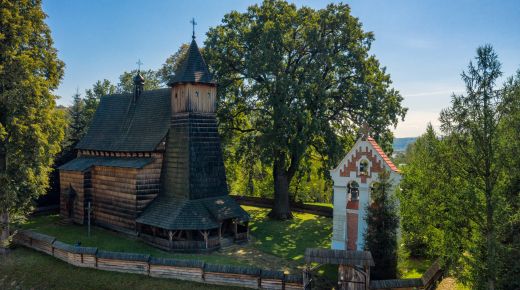
parish church of the Holy Trinity
-
Franciscan church of the Visitation of the Blessed Virgin Mary
-
late Baroque Capuchin church and monastery of the Elevation of the Holy Cross
-
church of Our Lady of Częstochowa, from 1779–1781
-
town square (Rynek) and old townhouses
-
overlord’s house from the late 1400s (7, Rynek)
-
Portius house from the 1500s (27, Rynek)
-
house from the 1500s (5, Rynek)
-
house under a clock (1, Rynek)
-
fountain
-
statue of Marshal Józef Piłsudski
-
former Jesuit college, today housing State Higher School of Vocational Education
-
building of the court of justice (12, Sienkiewicza St.)
-
building of the District Council, today Krosno City Office (3, Staszica St.)
-
former building of Loan and Savings Society (1, Kapucyńska St.)
-
building of the First Domestic Factory of Tower Clocks (19, Piłsudskiego St.), today Museum of Crafts
-
Museum of the Missionary Sisters of St. Peter Claver in Krosno
-
fragments of defensive walls
-
house of Stanisław Bergman (an artist), from 1903–1904 (3, Staszica St.)
-
building of Mikołaj Kopernik Secondary School (2, Skargi St.)
-
house of Andrzej Lenik, a sculptor (6, Lwowska St.)
-
statue of Ignacy Łukasiewicz (Konstytucji 3 Maja Square)
-
statue of Mikołaj Kopernik (P. Skargi St.)
-
papal cross and monument of John Paul II (Bieszczadzka St.)
-
Museum of Automotive Industry at the Complex of Secondary Schools no. 3 (5, Tysiąclecia St.)
Photo: Karolina Flejszar
Sprawdź podobne